This year’s Liberal Arts Essay Competition for Lower Sixth pupils attracted an impressive array of thoughtful and rigorously researched submissions. The essay titles were designed to encourage pupils to make connections across different academic disciplines in the Sixth Form, fostering the development of overarching arguments. Once again, the overall standard was highly encouraging, and the final decision was as challenging as ever.
This year, the question on beauty proved particularly popular, inspiring a pleasing diversity of approaches. Candidates explored the theme through classical and contemporary literature, art, theology, and philosophy.
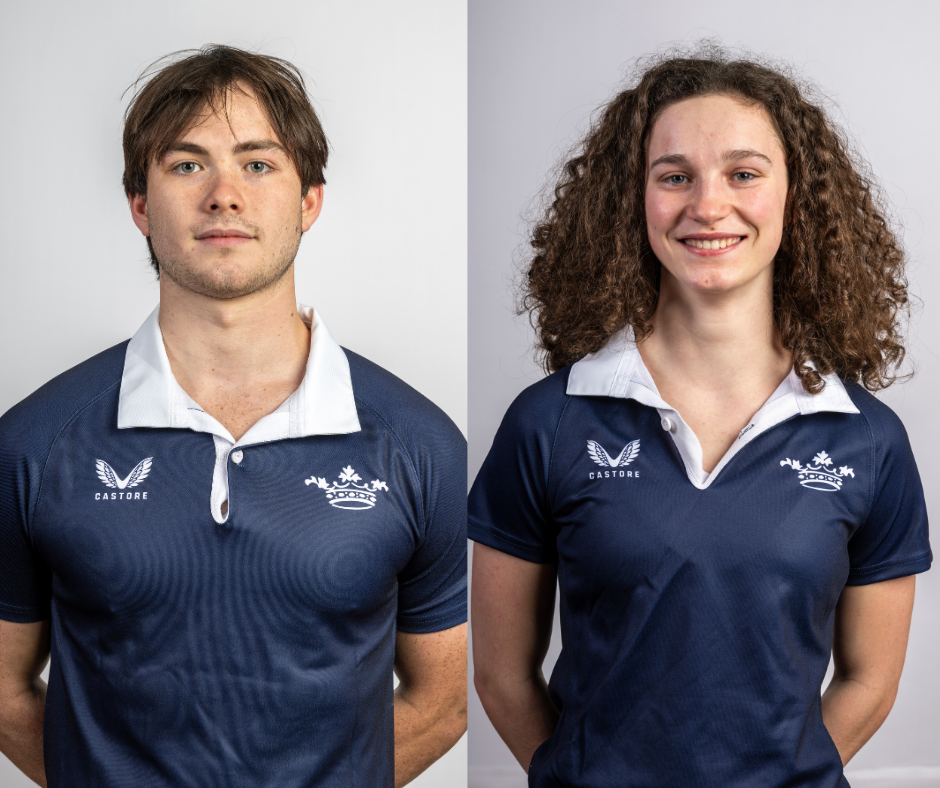
The winner, Sasha, wrote compellingly about how beauty can act as a destructive and destabilising force in Greek mythology. Through the myth of Apollo and Hyacinthus, she analysed the interplay between gods and mortals before branching out into Tiepolo’s painting ‘The Death of Hyacinthus’ and Rilke’s ‘Sonnets to Orpheus’ to develop her subtle thesis yet further.
Charlotte C discussed Euripides’ Helen’ and Ovid’s ‘Metamorphoses’ and argued very convincingly that beauty is not only dangerous but also a potentially positive force, an idealised construct that can fulfil the desires of the creator.
Charlotte G Compared the representation of beauty in the classical world and mythology to that in Marlow’s ‘The Tragical History of Dr Faustus’, pre-Raphaelite painting and even modern day Hollywood cinema.
Pun earned a special mention for his unique essay, arguing that humanity is largely guilty of self-interest in a wide-ranging romp through the likes of Rousseau, Hobbes, Voltaire and Tolstoy.
The strongest entries combined breadth and depth of reflection, demonstrated evidence of wider reading and critical engagement, and were both enjoyable and scholarly for the judges to read.