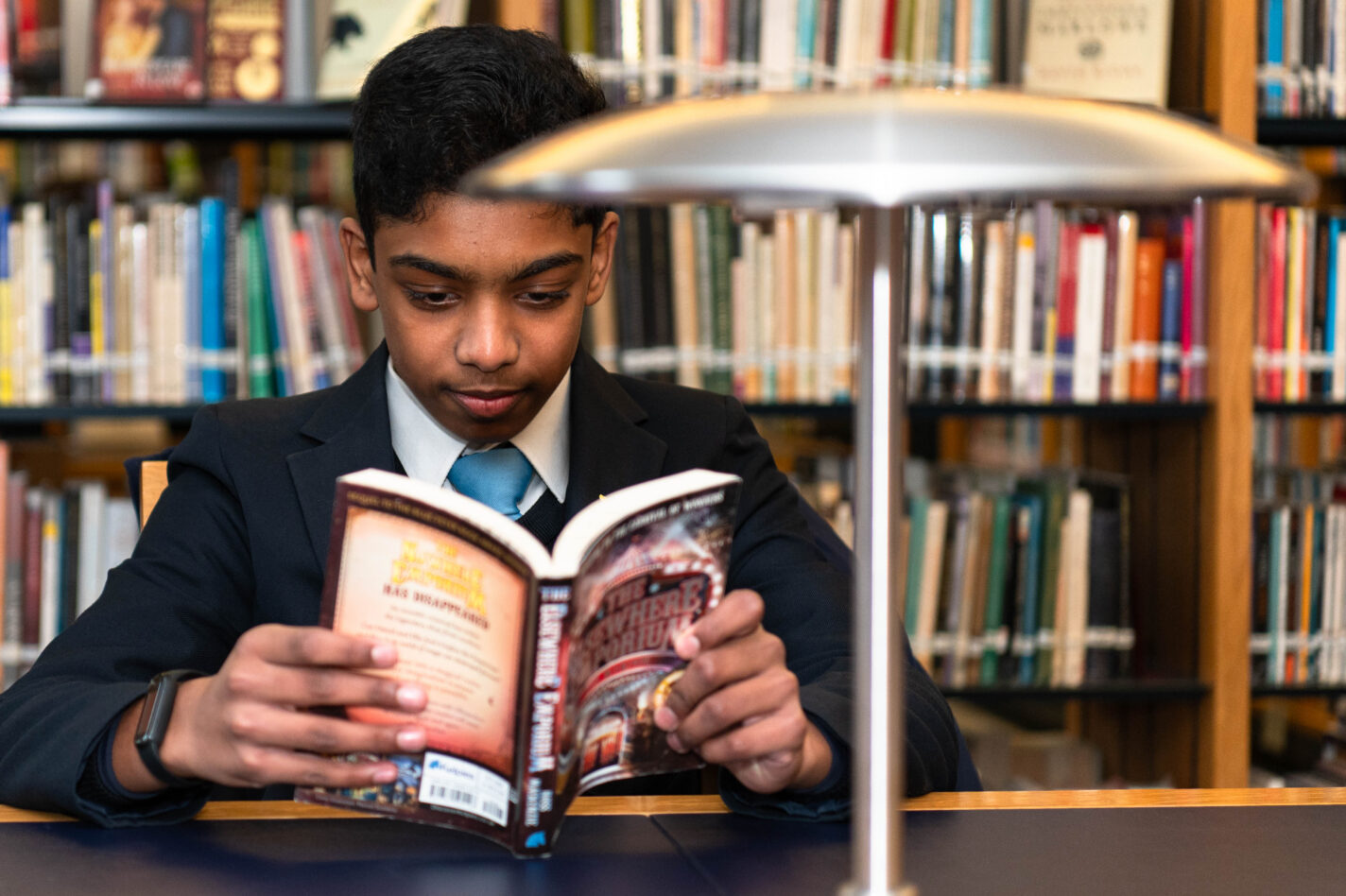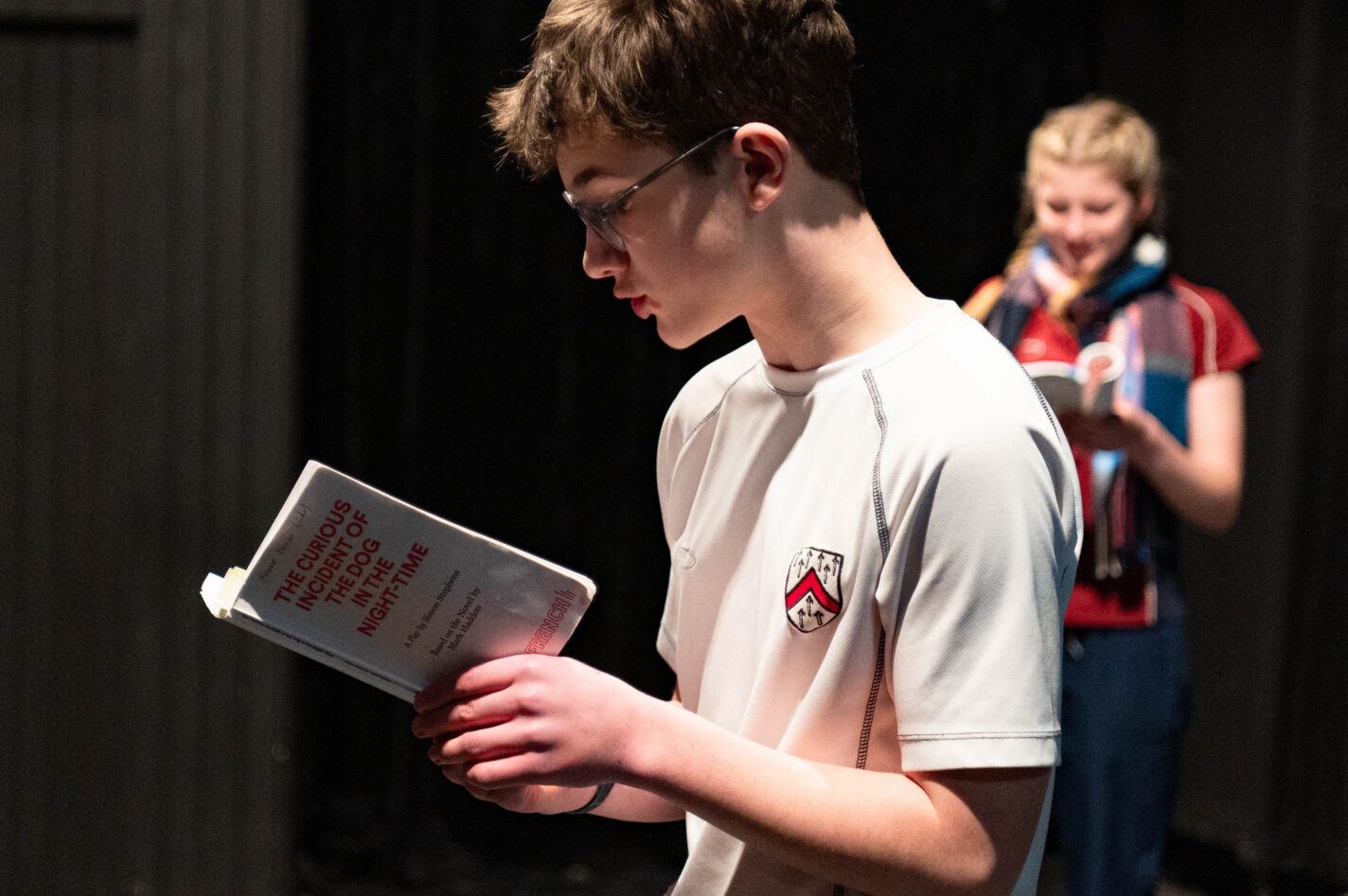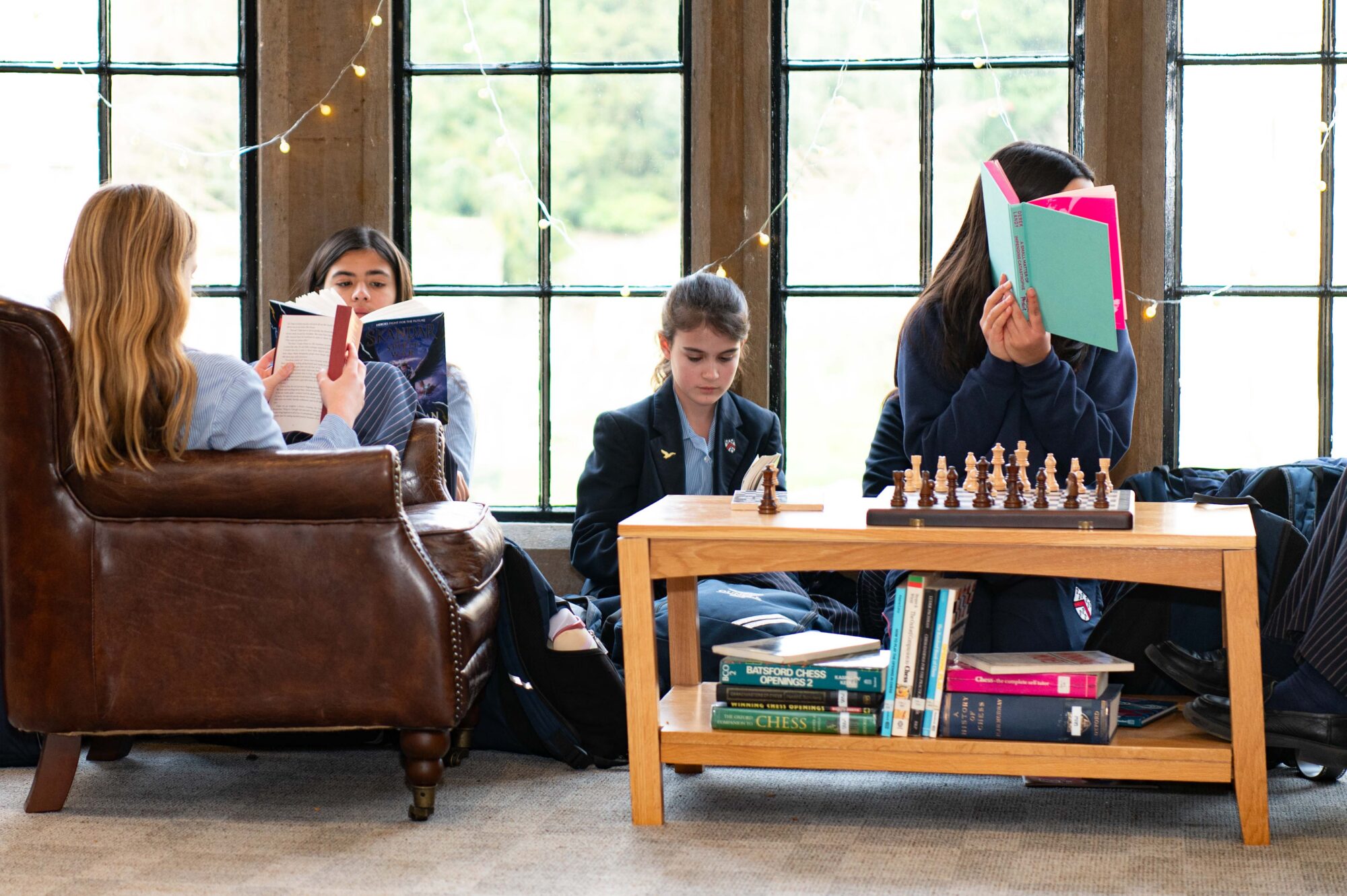
As a school librarian, the excitement and magic that is found in helping pupils find just the right book is a joy I regularly have the privilege of experiencing. This year, that magic feels especially vibrant as 2026 has officially been designated the National Year of Reading, a UK wide campaign championed by the Department for Education and the National Literacy Trust to tackle the decline in reading for pleasure across the nation.
The campaign’s theme, ‘Go All In’, invites schools, libraries, families, and communities to reimagine what reading can look like; not only books, but also graphic novels, audiobooks, magazines, newspapers, eBooks, and everything in between. The goal is simple but powerful: to help every child experience reading as something joyful, relevant, and empowering.
Reading for pleasure has long been linked to stronger literacy skills, improved academic results, and even long-term life advantages such as higher educational outcomes and earnings. But the benefits reach far past the academic to include physical, mental, and emotional wellbeing, stress reduction, improved sleep, increased empathy, and the potential for stronger social connections. Yet over recent years, daily reading and reading enjoyment among children have sharply declined, a trend the National Year of Reading seeks to tackle head on.
In school libraries, we’ve always known this: when reading becomes a habit of joy rather than obligation, everything else follows. It is vital, therefore, to fully understand what “reading for pleasure” means and how we can support young people to do so. Leading UK literacy researcher Professor Teresa Cremin defines reading for pleasure as “volitional, choice led reading of any kind of text” resulting in a reading journey for one person that may vary wildly from another’s, not only in the choice of titles, but also where, when and how. Often, with the intent of promoting reading, we unintentionally discourage it by placing restrictions, spoken or inferred, on the very choices that are essential to accessing the benefits of reading for pleasure.
When we pass judgements on books, authors, formats, or genres, placing emphasis on some reading as “good” and some as “less than,” we get in the way of children experiencing the joy and wonder that comes from reading. Reading begets reading, so I would encourage you to open yourself to the wide world of stories and information and consider that all reading experiences are valid and should be supported. Audiobooks, eBooks, and graphic novels are each unique ways of reading for pleasure and have both shared benefits with print reading as well as their own unique benefits.
Two months into the National Year of Reading and with the celebration of World Book Day this week, there’s a fresh energy in the air at Oundle; a sense that reading isn’t only a quiet activity tucked away in the corners of School life, but also a shared celebration we’re all invited to join. Across the School, teachers and pupils are engaging in meaningful discussions about reading and sharing recommendations. To further support reading in all formats, the Library has recently rolled out an audiobook and eBook platform that has seen enthusiastic uptake from both pupils and staff. And we’re just getting started — so here’s to a year of going all in: inspiring, celebrating, and rediscovering the joy of reading together.