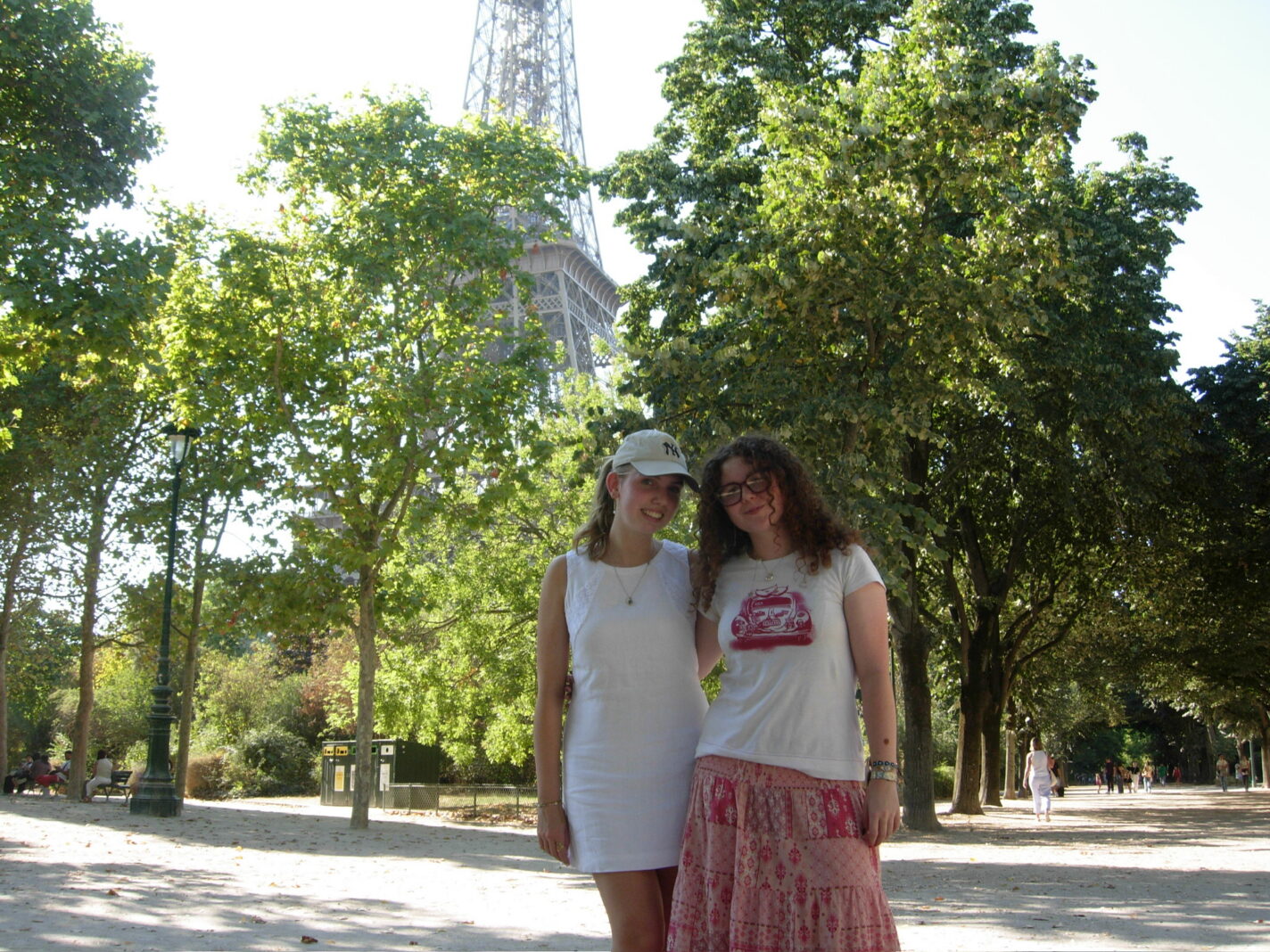
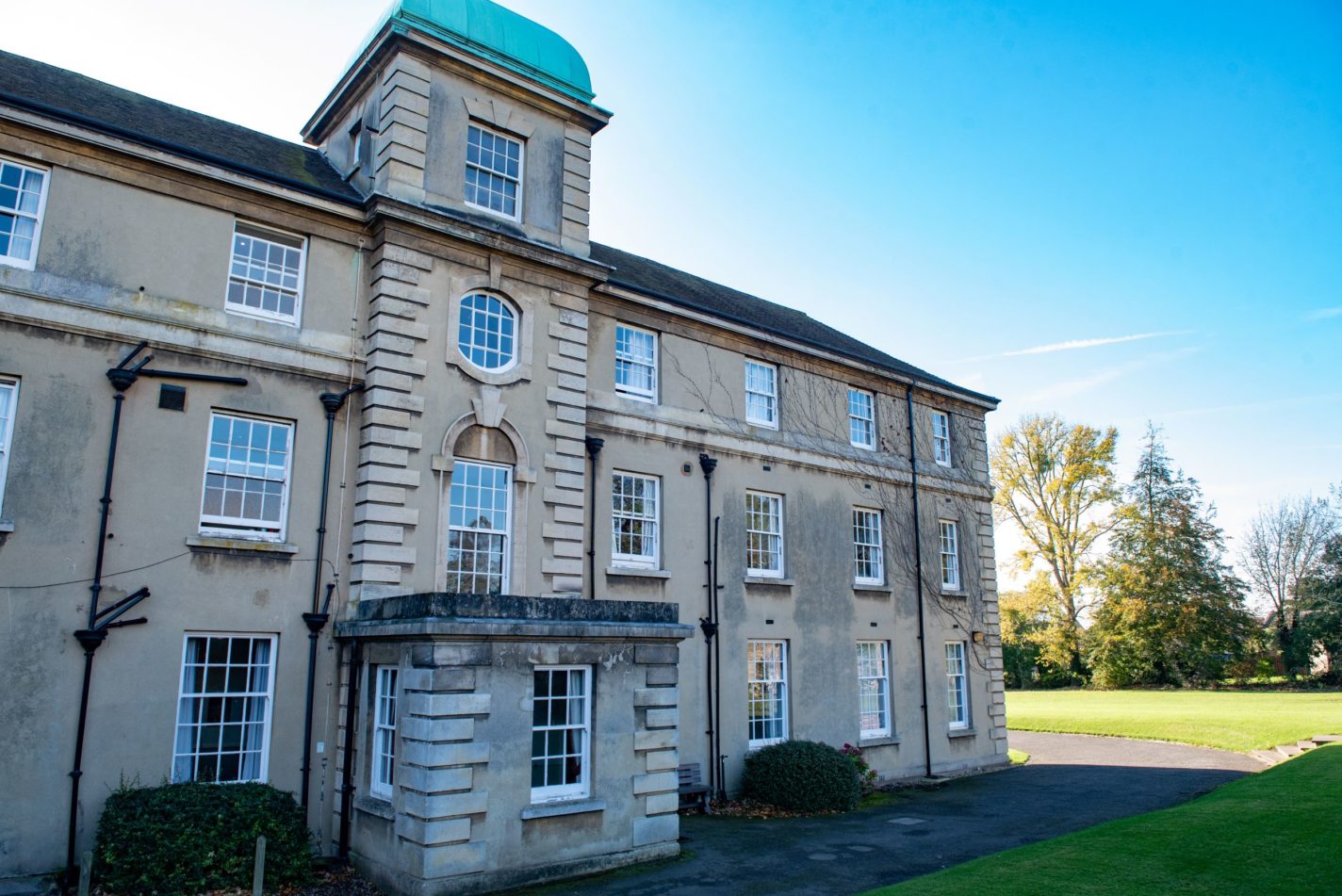
Lost your head over Fotheringhay Castle? Over September Exeat, Nat and Mig visited the scene to decide whether it is mound or myth.
Fotheringhay Castle is infamous for being Oundle’s local underwhelming tourist attraction. The naïve tripper approaching the site, may be disappointed to find that although they are in Fotheringhay, they are met by a distinct lack of castle. There’s a beautiful 15th-century Church to the North-West and a nice pub, but all there is on the magnificent ‘Castle Site’ is a grass mound, a large rock, and some sheep. This may cause tears or screams of terror for the weary, dehydrated, sheep-fearing traveller, but these are the very sights Mig and Nat were determined to experience first-hand, and here’s why.
The earliest recorded Castle in Fotheringhay was built circa 1100AD by the Norman Earl, Simon de Senlis and although none of this motte-and-bailey from the Middle Ages remains today, this simple structure was the beginning of centuries-worth of human history, all revolving around the same spot. This was the spot to which our two intrepid explorers were travelling in 2025, Nat bringing the necessary provisions – four walnuts (or ‘walnats’) – from his garden.
We took notes on the events of our journey (like the game of Pooh Sticks from which Nat arose victorious) but then remembered there should be an intellectual element to the article so we abandoned such childish pursuits. Our research informed us that after almost three centuries of Scottish inhabitation, the Castle’s relevance peaked and it became the administrative centre of the House of York in the 15th century. It was a royal palace and the site of Richard’s III birth in 1452.
In 1586, Mary Queen of Scots was tried and convicted of treason before spending her last months imprisoned in the castle awaiting execution by beheading, the following year. This eventful history sparked an abundance of folklore, many of the tales relating to the ghost of Queen Mary who is said still to haunt the Castle Site. On our mission, Nat and Mig hoped to evaluate the credibility of this claim once and for all.
After Mary’s demise, the castle was of little use. It was sold, fell into disrepair and was eventually dismantled in 1628. The castle’s stone was repurposed for the construction of local buildings, such as the Talbot Hotel in Oundle (which also contains the staircase from the original castle). Rumour has it that Mary’s ghost can be seen wandering the halls by night. Mig and Nat don’t understand how she finds the energy to haunt both the castle site and the pub, simultaneously, but we suppose being dead probably has something to do with it.
After travelling through idyllic fields Nat and Mig approached the Castle Site at 11:22, eager to see the stone, the mound, the sheep, and the ghost of Queen Mary. Unfortunately, we didn’t see her and after at first considering that she was away for the Exeat, we concluded that her supernatural appearances must have been fanciful, despite the logistical errors of attempting to observe a haunting in broad daylight. Immediately though, we were struck by something more important overall: a sense of greater history. This tiny plot of land, holding centuries-worth of cultural significance, appeared entirely innocuous save for one small notice board, but on viewing the last remaining portion of the castle’s outer wall, ascending the mound, and eating another ‘walnat’ to the background music of John Martyn’s ‘Small Hours’, the importance of the location dawned on us. We sat, not talking for around eight minutes (according to our notes) struck by the visions of violence, tension, and drama across the course of England’s history, all held in Fotheringhay, an almost comically serene country village, and we realised the reason it remains a relevant site in the 21st century.
On the 22 of September, Mig and Nat found that it is not necessary to have a huge metal monument or a brightly coloured tourist trap to experience a true sense of historical awe. Sitting atop the hill which was once trod by Mary Queen of Scots and Richard III, we could see the world they saw and experience our lives in the context of the millennia behind us and the millennia ahead of us. Aside from anything else, the sun was out, and it was a lovely country walk.