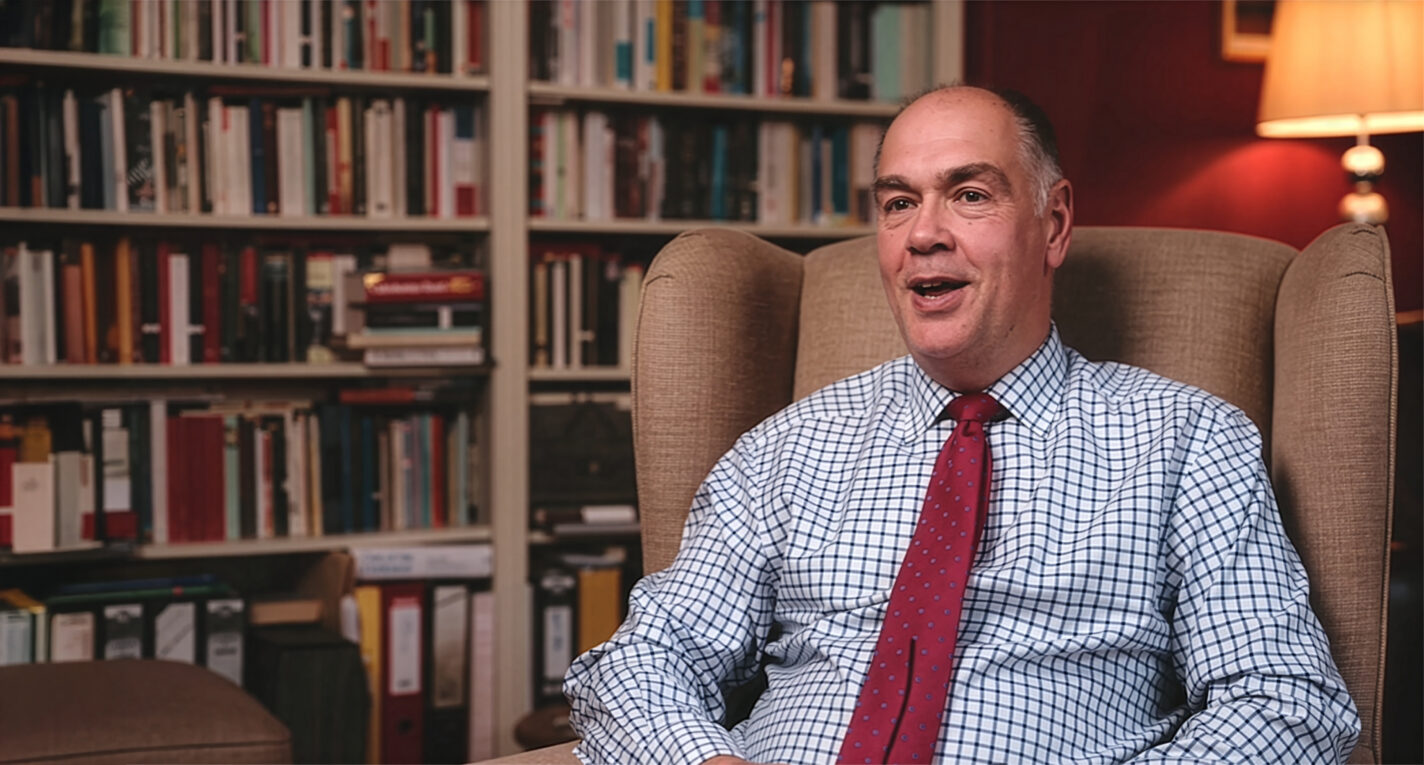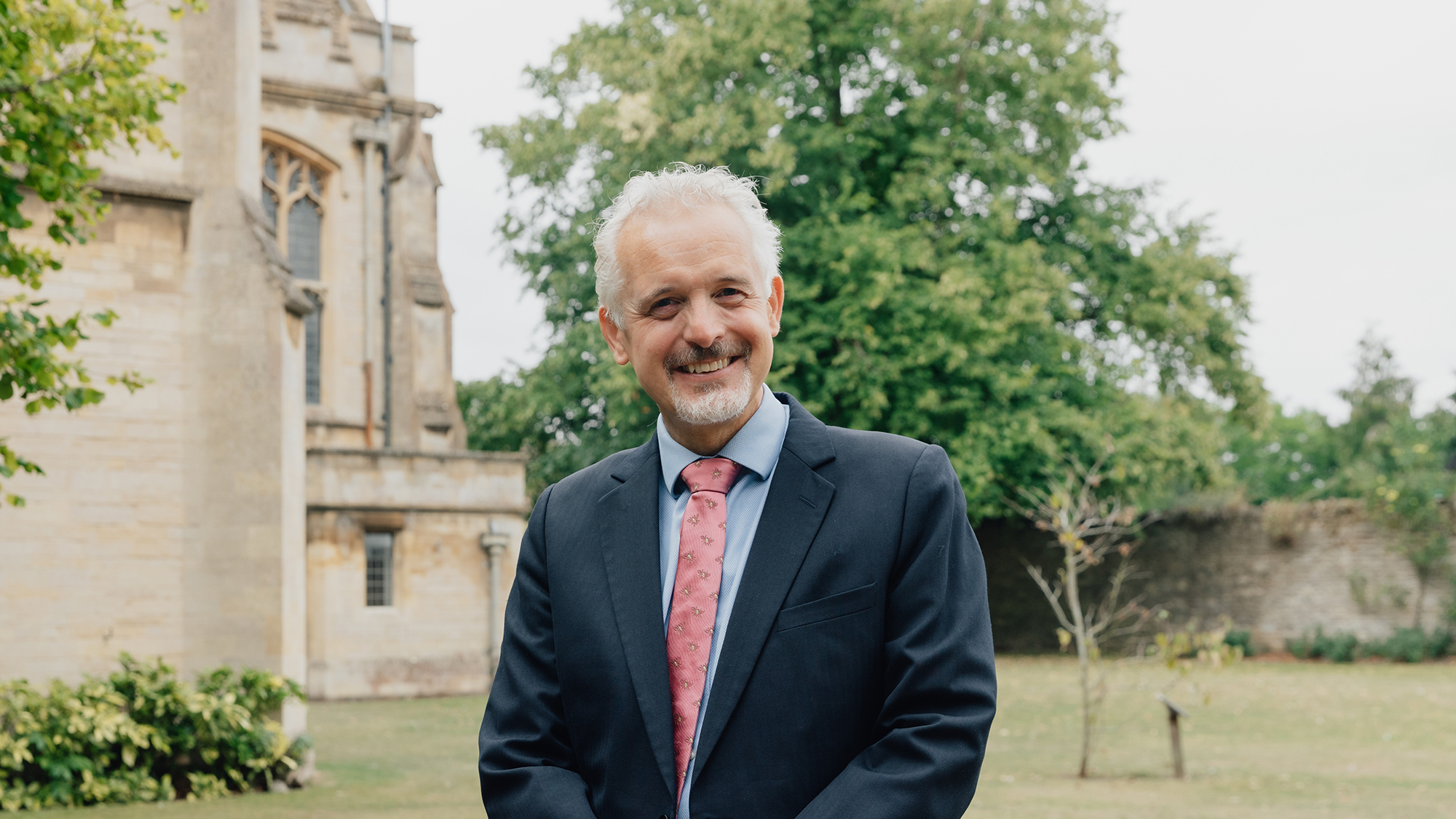
Dominic Oliver reflects on what he has discovered about Oundle, the place of joy and ambition in education and why, ultimately, schools are about people.
I first came to Oundle about twenty years ago, early in my teaching career, for a dinner at Cobthorne. I remember thinking: this is what a boarding school at the top of its game should feel like. There was massive ambition and it seemed that if you wanted to do something, it was possible.
Everybody I met, adults and pupils, was extraordinarily engaging and engaged in what they were doing. There was something quietly magical about the place.
Coming back as Head, I felt that same spark. The School is bigger and the facilities are even more impressive but the heart hasn’t changed. It is still deeply human. Still full of energy, kindness and possibility.
It is hard to describe just how alive the place feels. There is a dynamism in the air and I still have the spring in my step I felt on the very first day.
What strikes me most is the balance. There is serious academic and co-curricular ambition but also perspective, humour and decency. Pupils work hard but they enjoy it. People care about doing things well.
I have also come to understand just how instinctively people contribute here. When something needs attending to, people attend to it. When someone needs support, it arrives. There is a willingness to get involved without waiting to be asked.
That feels quite central to Oundle. What makes the School distinctive is not separateness but groundedness. It is a school firmly connected to the community around it and to the wider world.
There are very few schools that could have tempted me from my previous one, which I loved. But Oundle was at the top of the list. It has scale, ambition and exceptional depth of opportunity, alongside something profoundly human.
I began lecturing in English at Oxford, mostly Shakespeare. I loved the subject and the teaching but I realised that what truly excited me wasn’t the research side of academia, it was sharing ideas and watching minds light up.
That moment when something clicks, when connections are made, when a conversation opens up new thinking, is incredibly rewarding.
At university level, students are often already quite formed. You are helping them sharpen their thinking. But in schools you get to help shape that journey at an earlier, more formative stage. You get to walk alongside young people as they discover who they are and what they might become.
That is exciting and it is a huge privilege. That combination is what drew me in and has kept me in schools ever since.
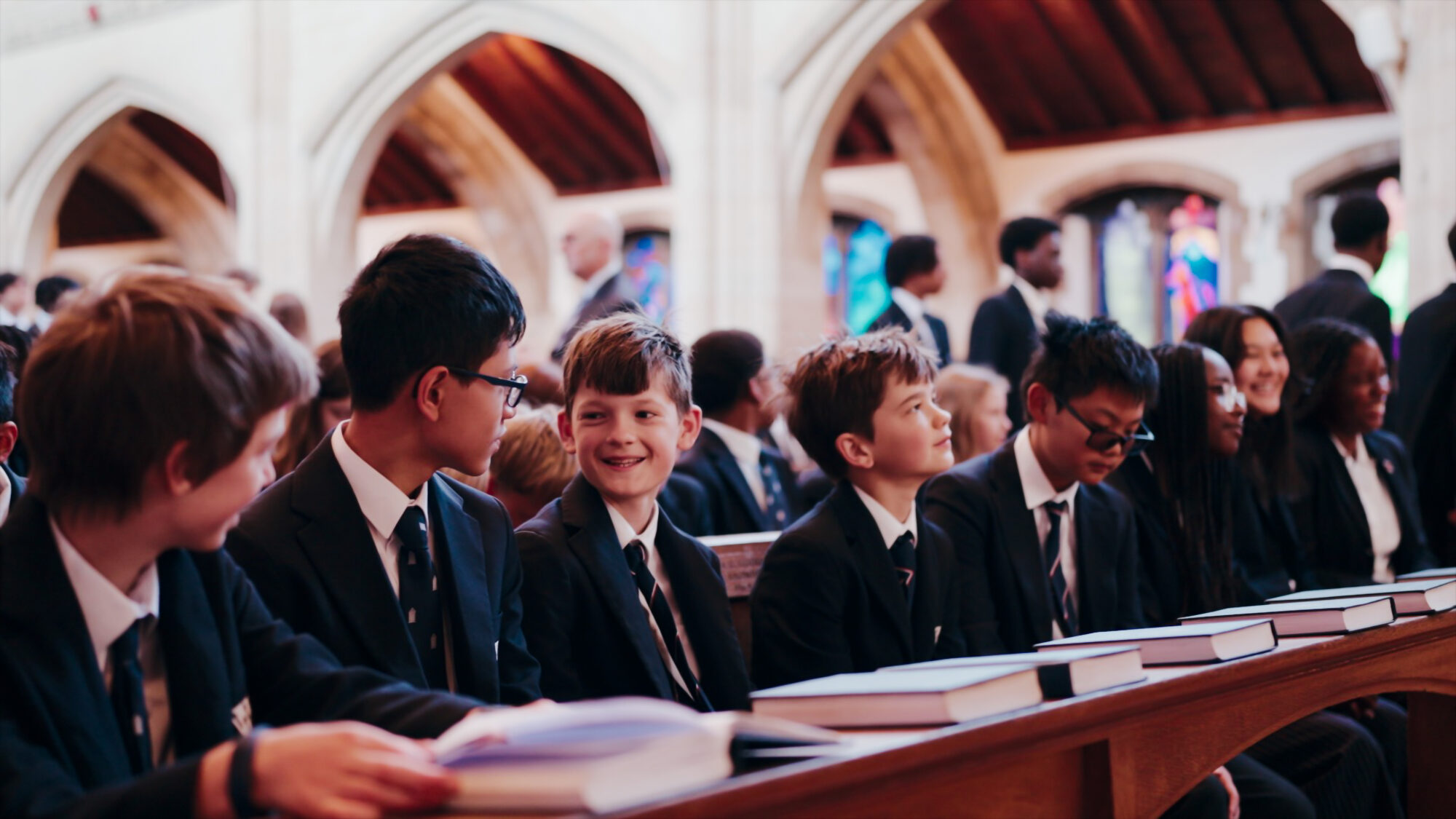
"The School is bigger and the facilities are even more impressive, but the heart hasn’t changed. It is still deeply human."
It is easy to forget that joy belongs in serious places. And I don’t mean joy in some sort of soft, floaty way. It is not about being cheerful all the time. It should come with rigour. But it matters.
Schools should be places where people want to learn and want to be, where they feel a sense of possibility.
Education cannot be driven by fear. There is enough anxiety in the world. Oundle is, and should be, a place of no fear, where pupils can explore, take risks and grow.
The other thing I have been struck by this year is how education accumulates. It happens lesson by lesson, conversation by conversation, meal by meal, performance by performance. It is in the questions pupils ask and, perhaps even more importantly, the questions they are only beginning to know how to ask.
That is why education is so much more than a set of results, important though those results are.
Boarding, done well, gives young people vital space. The space I mean is literal but also emotional and intellectual. In a world that is constantly ‘on’, that breathing room is invaluable and it is our duty to provide it.
Being in a boarding community is about living together, learning together and having time to form deep friendships. It allows pupils to develop independence, empathy and resilience. And it gives families time to be families when they are together, rather than being caught up in the logistics of every school run and extracurricular dash.
A full boarding community also gives day pupils the chance to benefit from that same rhythm: the extended day, a distinctive House culture and pastoral structure, shared meals and the vast range of co-curricular opportunities that only a boarding environment can offer.
Probably the sort who asked too many questions! I was earnest and hardworking. I wanted to learn everything and probably talked too much.
I come from a home full of debate. At the age of eighty my mother still phones to argue about politics or philosophy, or indeed about Shakespeare, so curiosity was in the air.
I also know what it is like when school isn’t an easy place to be. I was determined, when I started teaching, that my classrooms, and subsequently the schools I have led, should be places where it is cool to learn.
That is something Oundle absolutely gets right. The intellectual buzz here is palpable and pupils are proud of it.
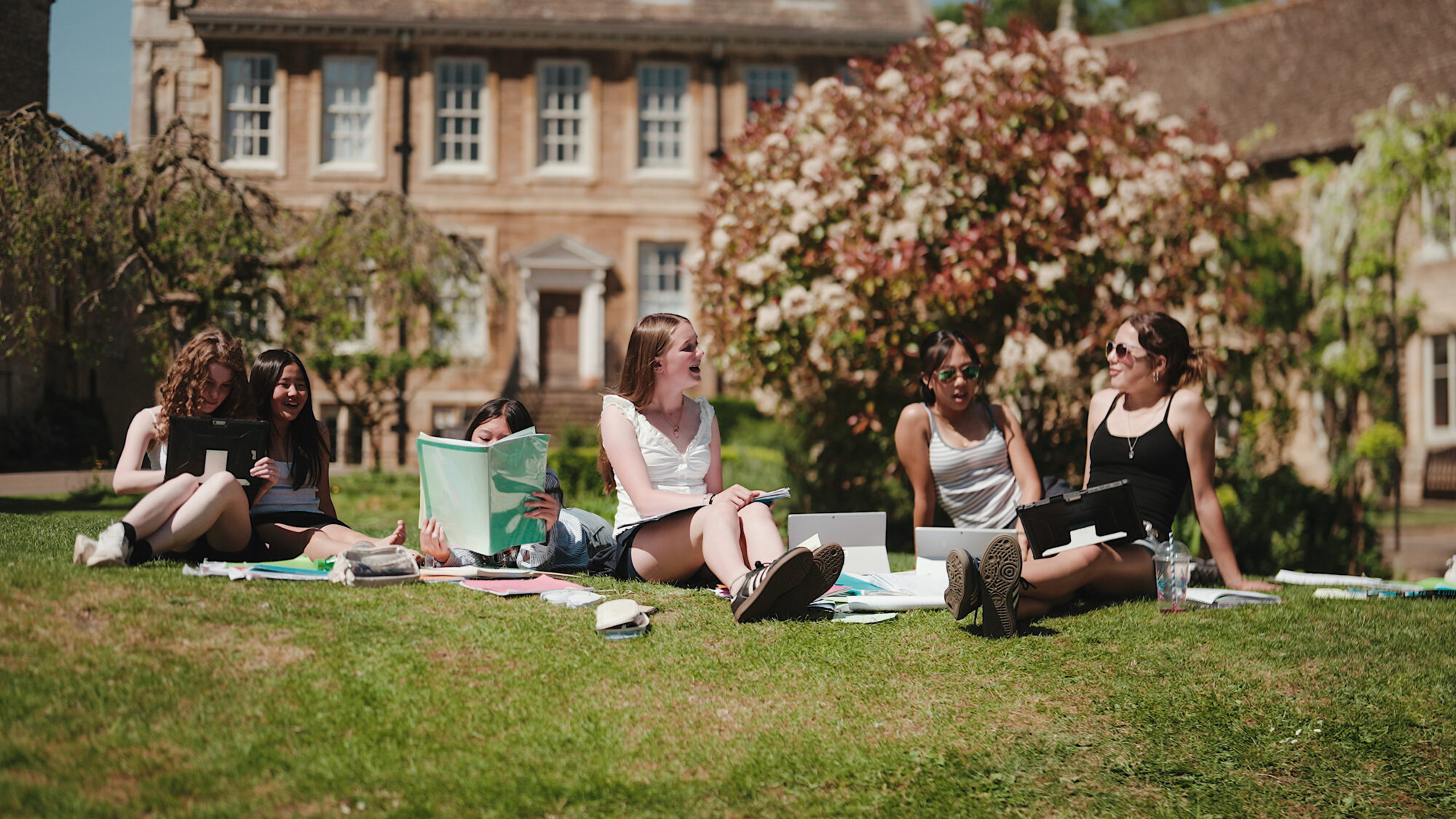
"Boarding, done well, gives young people vital space. The space I mean is literal but also emotional and intellectual."
Oundle was founded not as a retreat from the world but as a contribution to it. I think that instinct remains enormously important.
A school should not simply prepare pupils to succeed within a particular environment. It should help them encounter complexity, test their assumptions and understand lives and experiences beyond their own.
That happens through the mix of people within the School, through bursaries, partnerships, service and through being embedded in the town and community around us.
For me, that is part of what being grounded means. Young people should leave Oundle ambitious and confident in what they can do but also conscious that they are part of something larger than themselves.
For me, the next phase is about deepening what already makes Oundle distinctive: intellectual ambition balanced with kindness, community rooted in the real world and the courage to evolve without losing what matters.
There are significant questions for education to engage with, not least around technology and artificial intelligence. Schools have to respond thoughtfully rather than simply racing towards whatever tool happens to be current. What matters is developing the judgement to use powerful tools wisely, critically and ethically.
There is an optimism here that is tangible. People care about doing things well. My role is to listen, to learn and to help the community keep growing and moving forward while keeping people at the heart of it all.
Always the people.
Watching sparks of thought and creativity burst fully into flame as pupils discover what they can do, seeing colleagues flourish and witnessing moments of kindness or courage. Those are the things that stay with you.
I have been at enough hockey matches in the hail and concerts in draughty chapels to know that joy comes in unexpected forms. But it is everywhere if you look for it.
Schools are people places. They are at their best when they are humane, ambitious and joyful. Oundle embodies that combination more comprehensively than any school I have known.
And being Head here, I cannot imagine a better job.